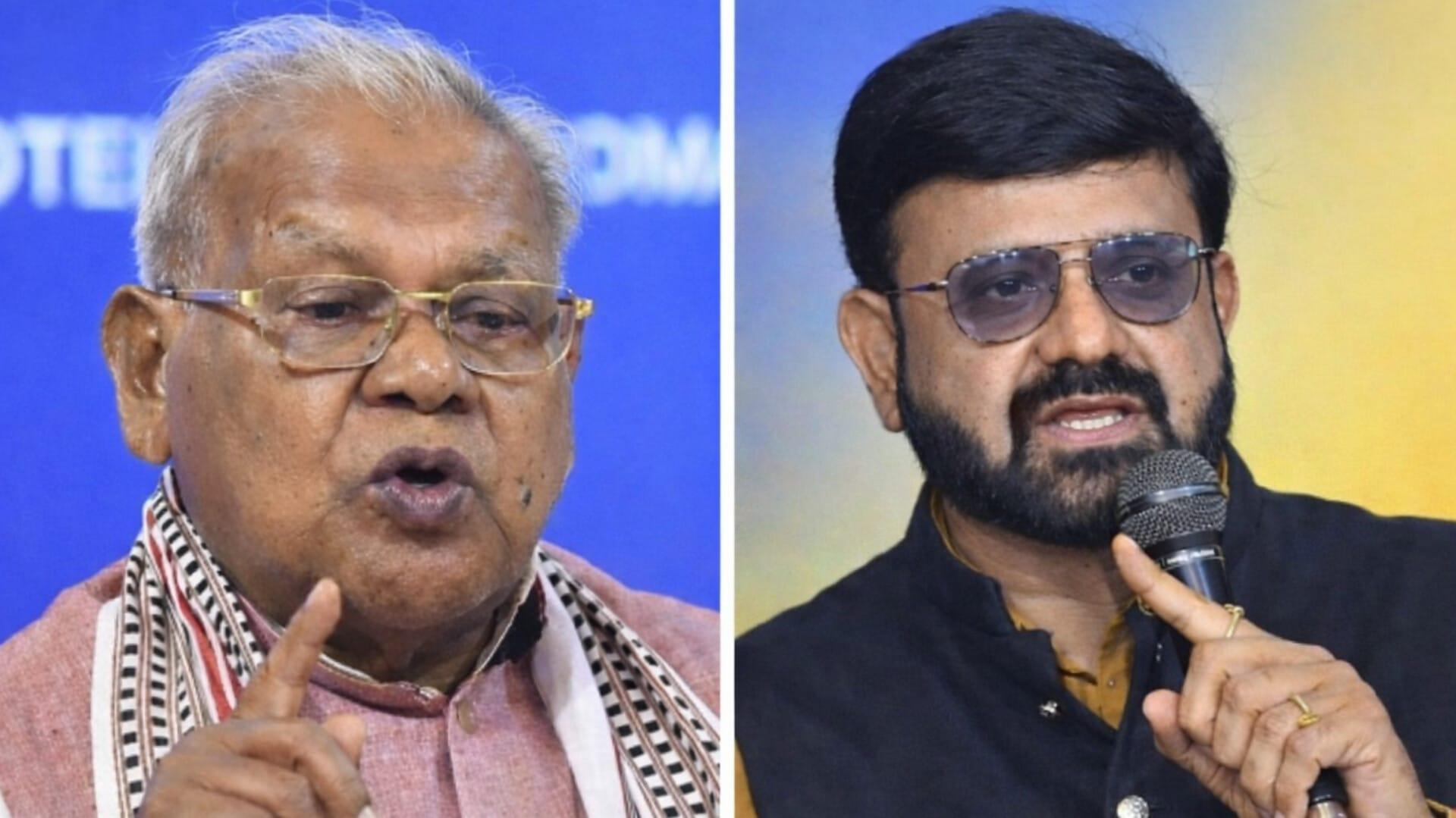
Gaya/New Delhi: A significant political controversy has erupted within the National Democratic Alliance (NDA) following a provocative statement by Union Minister and Hindustani Awam Morcha (Secular) leader Jitan Ram Manjhi. While addressing a public event in Gaya, Bihar, Manjhi claimed that corruption is pervasive among elected representatives, stating that every Member of Parliament (MP) and Member of Legislative Assembly (MLA) accepts commissions in some form.
The former Bihar Chief Minister went a step further, offering advice to legislators from his own party. He reportedly suggested that if they are unable to secure a 10 percent commission, they should settle for at least 5 percent. Manjhi also mentioned that he has personally contributed commission amounts to his party in the past, implying that such funds could be utilized for organizational needs.
BJP Distances Itself from Remarks
The Bharatiya Janata Party (BJP), a key ally in the NDA, was quick to distance itself from the Union Minister’s assertions. The party expressed strong disagreement, emphasizing that such generalizations undermine the integrity of legislative bodies.
BJP leader Pratul Shahdev clarified the party’s stance, labeling Manjhi’s comments as strictly personal. He stated that neither the BJP nor the NDA alliance endorses such views.
“This is entirely Jitan Ram Manjhi’s personal statement. Neither the BJP nor the NDA agrees with it. Questions should not be raised on the dignity of Parliament and legislators in this manner.” — Pratul Shahdev, BJP Leader
Shahdev further added that the NDA believes public representatives strive to work with honesty and dedication according to their capacity. He reiterated that Manjhi’s comments do not reflect the collective thinking of the alliance.
Political Posturing Ahead of Assembly Polls?
Beyond the controversy over corruption, Manjhi used the platform to outline ambitious plans for his party in the upcoming elections. Hints of political maneuvering were evident as he discussed the Hindustani Awam Morcha (Secular)’s strategy.
Manjhi suggested that his party should contest 100 seats in the next assembly election. He also issued a subtle warning, indicating that if his party’s demands are not met within the alliance, they might consider contesting the elections independently. This dual narrative of controversial advice on commissions and assertive seat-sharing demands has placed Bihar politics at the center of a heated debate.