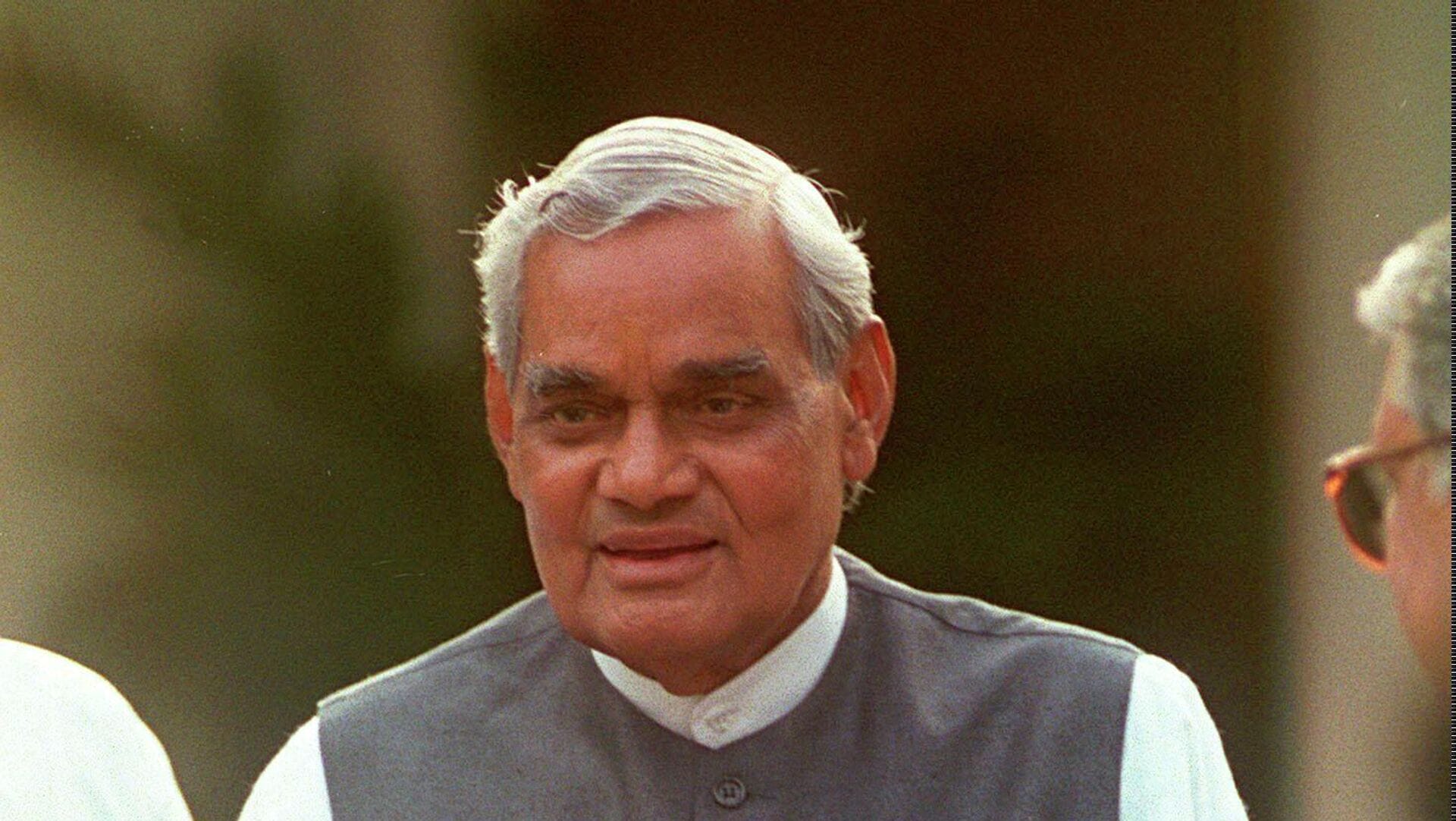
In the complex landscape of Indian politics, very few leaders have commanded a level of acceptance that extends beyond their own support base. Former Prime Minister Atal Bihari Vajpayee stands as a prominent exception in this regard. He was a leader whom even political adversaries paused to listen to, and his disagreements were always marked by a rare sense of dignity and decorum.
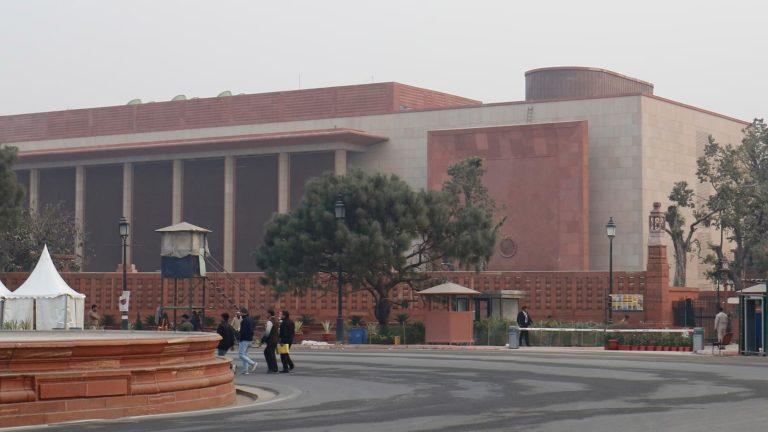
Vajpayee’s political journey was intrinsically linked to the ideological evolution of post-independence India. From the early era of the Jana Sangh to the formation and subsequent expansion of the Bharatiya Janata Party (BJP), he remained a central ideological pillar for the organization. However, his role within the Parliament was never confined merely to running a government; he was instrumental in strengthening the very traditions of the House.
Infrastructure and Economic Reforms
His tenure as Prime Minister coincided with a period when India was standing at a crucial crossroads of economic, strategic, and social change. Under his leadership, the government initiated landmark projects that would become the backbone of modern India.
Key initiatives included the National Highway Development Project and the Golden Quadrilateral, which revolutionized connectivity across the nation. Additionally, his focus on expanding rural road networks and implementing sweeping reforms in the telecom sector laid the groundwork for long-term development. These decisions are widely regarded as the axis upon which much of India’s subsequent growth turned.
A Culture of Dialogue
A defining characteristic of Vajpayee’s politics was his interpretation of power. He viewed a parliamentary majority not as a tool for dominance, but as a deep responsibility. Despite engaging in sharp and heated debates within the Parliament, he consistently refrained from making personal attacks against his opponents.
This adherence to decorum established him not just as a leader of the ruling coalition, but as a true representative of India’s democratic culture. In contemporary discussions regarding the declining levels of dialogue in politics, Vajpayee’s leadership style continues to serve as a benchmark for consensus and mutual respect.