
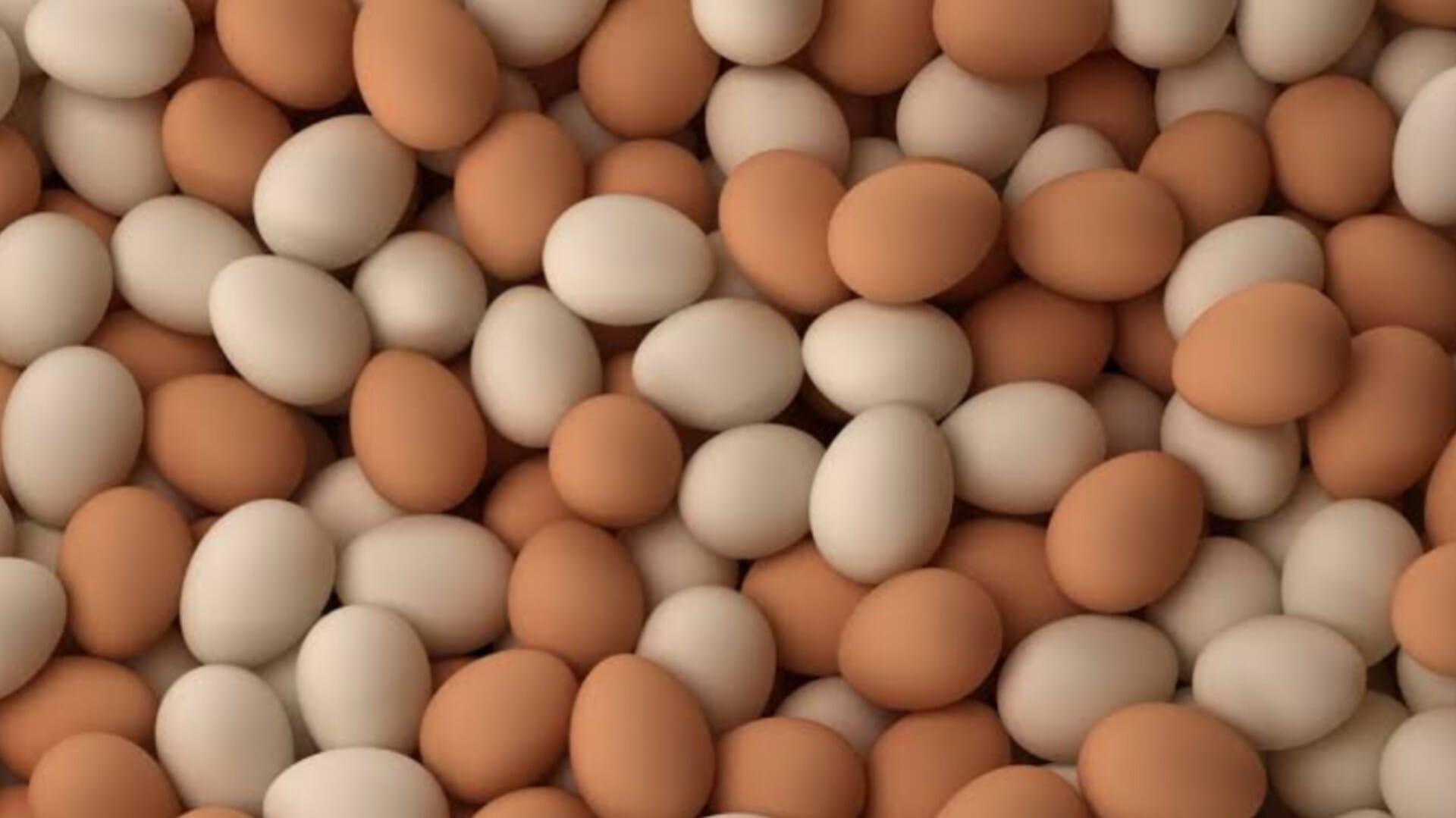
The Food Safety and Standards Authority of India (FSSAI) has initiated a comprehensive nationwide surveillance drive to assess the quality of eggs sold in domestic markets. The regulator has issued directives to its regional offices to collect samples from various distribution points across the country. This sampling exercise will cover both branded and unbranded eggs to ensuring a wide scope of scrutiny.
According to regulatory officials, the collected samples will be sent to NABL-accredited laboratories for detailed analysis. The primary objective of this drive is to screen for the presence of Nitrofurans, a specific group of antibiotics that are strictly prohibited for use in food-producing animals under Indian regulations.
Trigger for Regulatory Action
The decision to conduct nationwide testing follows recent concerns regarding egg safety. Reports circulated online suggesting that traces of prohibited substances might be present in eggs sold by a specific brand. These allegations sparked discussions on social media platforms, prompting the regulator to step in.
In response to the growing public discourse, the FSSAI launched this independent testing drive to verify claims through scientific evidence. Officials emphasized that the current exercise is part of routine regulatory surveillance to ensure food safety standards are upheld.
Health Risks of Nitrofurans
Nitrofurans are synthetic antimicrobial drugs that have been banned globally in the livestock and poultry sectors. Food safety experts note that these substances pose significant health risks to humans. Toxicological assessments indicate that residues of these drugs can persist in food products even after cooking.
Scientific studies conducted in controlled environments have linked prolonged exposure to Nitrofurans with adverse health outcomes. These include potential genetic damage and an increased risk of cancer. Consequently, their use in poultry meant for human consumption is strictly forbidden.
Industry Response and Next Steps
The company named in the initial reports has issued a strong denial regarding the safety concerns. In a public clarification, the brand asserted that its products remain safe for consumption. They have also indicated an intention to make their internal laboratory test reports public to address consumer apprehensions.
FSSAI officials have stated that any future regulatory action will depend entirely on the laboratory results. Conclusions regarding contamination will only be drawn once the scientific analysis of the collected samples is complete. The regulator continues to monitor the poultry sector to prevent the entry of harmful residues into the food chain.
#FSSAI launches egg safety drive after ‘nitrofurans presence’ triggers uproar
The @fssaiindia has asked it’s food safety officers to collect samples of both branded and unbranded eggs for testing at its laboratories across the country, official – @NewIndianXpress
😯 Only 249… pic.twitter.com/8MJX4SbmUk
— Surajya Abhiyan (@SurajyaCampaign) December 16, 2025