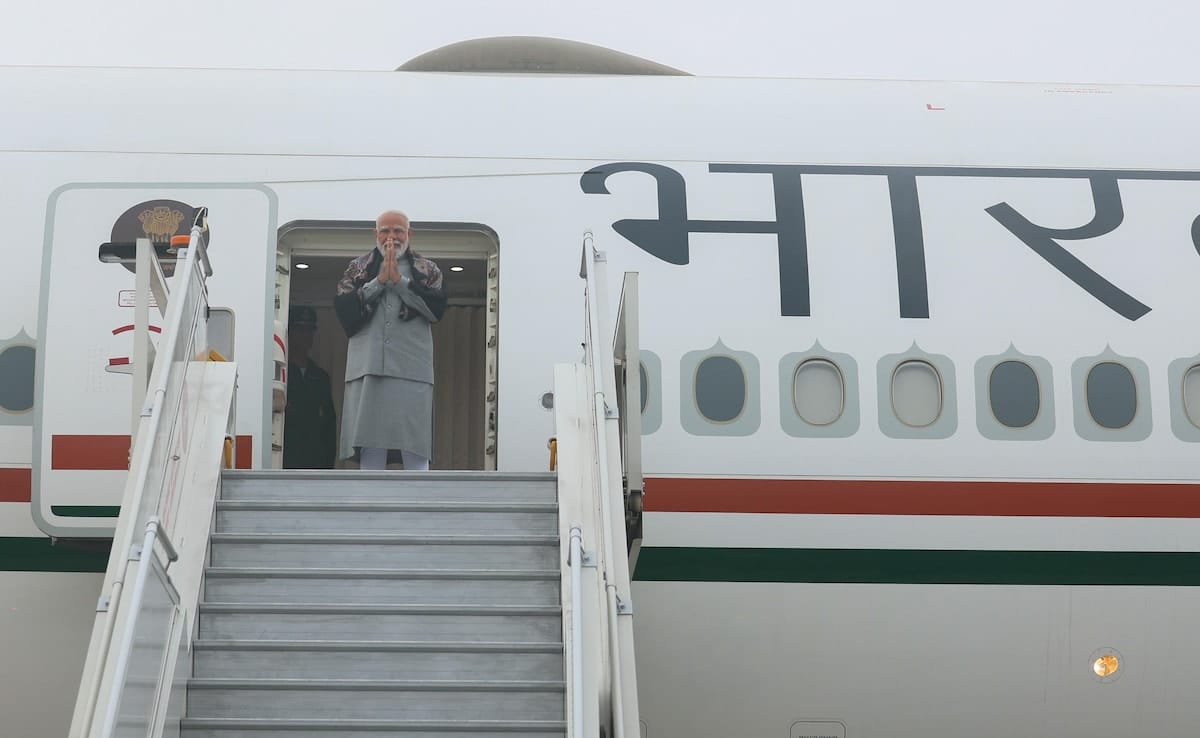
ADDIS ABABA/MUSCAT: In a major boost to India’s diplomatic engagement with Africa, Prime Minister Narendra Modi and his Ethiopian counterpart Abiy Ahmed Ali have officially elevated bilateral ties to a ‘Strategic Partnership’. The announcement came following wide-ranging delegation-level talks in Addis Ababa, where the two leaders discussed avenues to deepen cooperation in defense, economy, and digital infrastructure.
The elevation of ties marks a significant pivot in India’s foreign policy outreach, signaling a deeper commitment to the African continent. During the discussions, Prime Minister Modi emphasized that the new strategic partnership would infuse “new energy, new momentum, and new depth” into the historical relationship between the two nations. This development is part of PM Modi’s broader three-nation tour, which began in Jordan and concludes in the Sultanate of Oman.
Key Agreements in Ethiopia
To substantiate the upgraded partnership, India and Ethiopia signed eight Memorandums of Understanding (MoUs) covering diverse sectors. These agreements aim to institutionalize cooperation and facilitate capacity building.
According to official statements, the signed agreements include:
- Strategic Partnership: Formal upgrade of bilateral relations.
- Digital Infrastructure: Establishing a data center at the Ethiopian Foreign Ministry.
- Defense Cooperation: Collaboration on UN Peacekeeping training.
- Economic Measures: Customs cooperation and debt restructuring under the G20 framework.
- Education: Expansion of ICCR scholarships and specialized AI short courses for Ethiopian nationals.
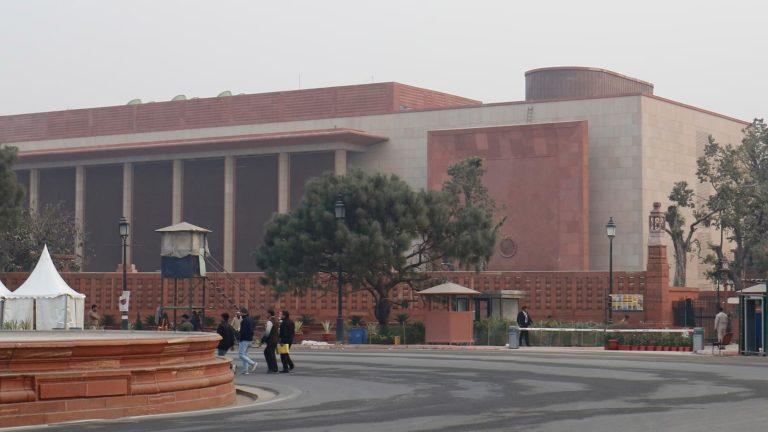
Before concluding his visit, the Prime Minister is also scheduled to address a session of the Ethiopian parliament, underscoring the political significance of the visit.
Focus Shifts to Oman and Trade Pact
Following his engagements in Africa, Prime Minister Modi will arrive in Oman this evening for the final leg of his tour. The visit, undertaken at the invitation of Sultan Haitham bin Tarik, is expected to focus heavily on economic integration. A high-level delegation is accompanying the Prime Minister to Muscat.
The centerpiece of the Oman visit is likely to be the signing of the Comprehensive Economic Partnership Agreement (CEPA). As per the reports from Akashvani News, Indian Ambassador to Oman, GV Srinivas, expressed optimism regarding the pact. He stated that both nations are “doing their best” to conclude the agreement, which aims to significantly deepen economic ties and open a new chapter in bilateral trade.
In his statement to Akashvani News, Ambassador Srinivas highlighted that the potential agreement aligns with the ‘Joint Vision’ document adopted by India and Oman during the Sultan’s state visit to India in December 2023. This document serves as a roadmap for future cooperation, synergizing with PM Modi’s vision of a developed India by 2047.
Strategic Significance of Gulf Ties
India and Oman are currently celebrating 70 years of diplomatic relations, a milestone built upon centuries of people-to-people contact. The relationship received significant political direction during PM Modi’s previous visit to the Sultanate in 2018. Strategically, Oman remains a crucial partner for India in the Gulf region, particularly in terms of maritime security and energy cooperation.
Ambassador Srinivas also noted the “tremendous contribution” of the Indian expatriate community in Oman. As the Prime Minister lands in Muscat, the focus will remain on translating these historical ties into concrete economic deliverables through the CEPA.