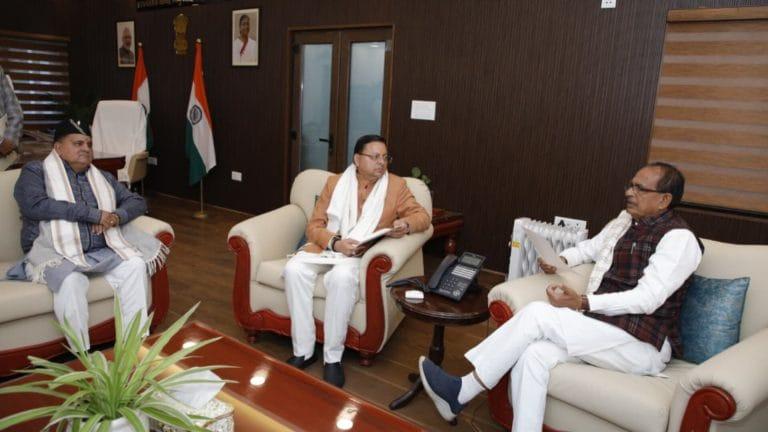
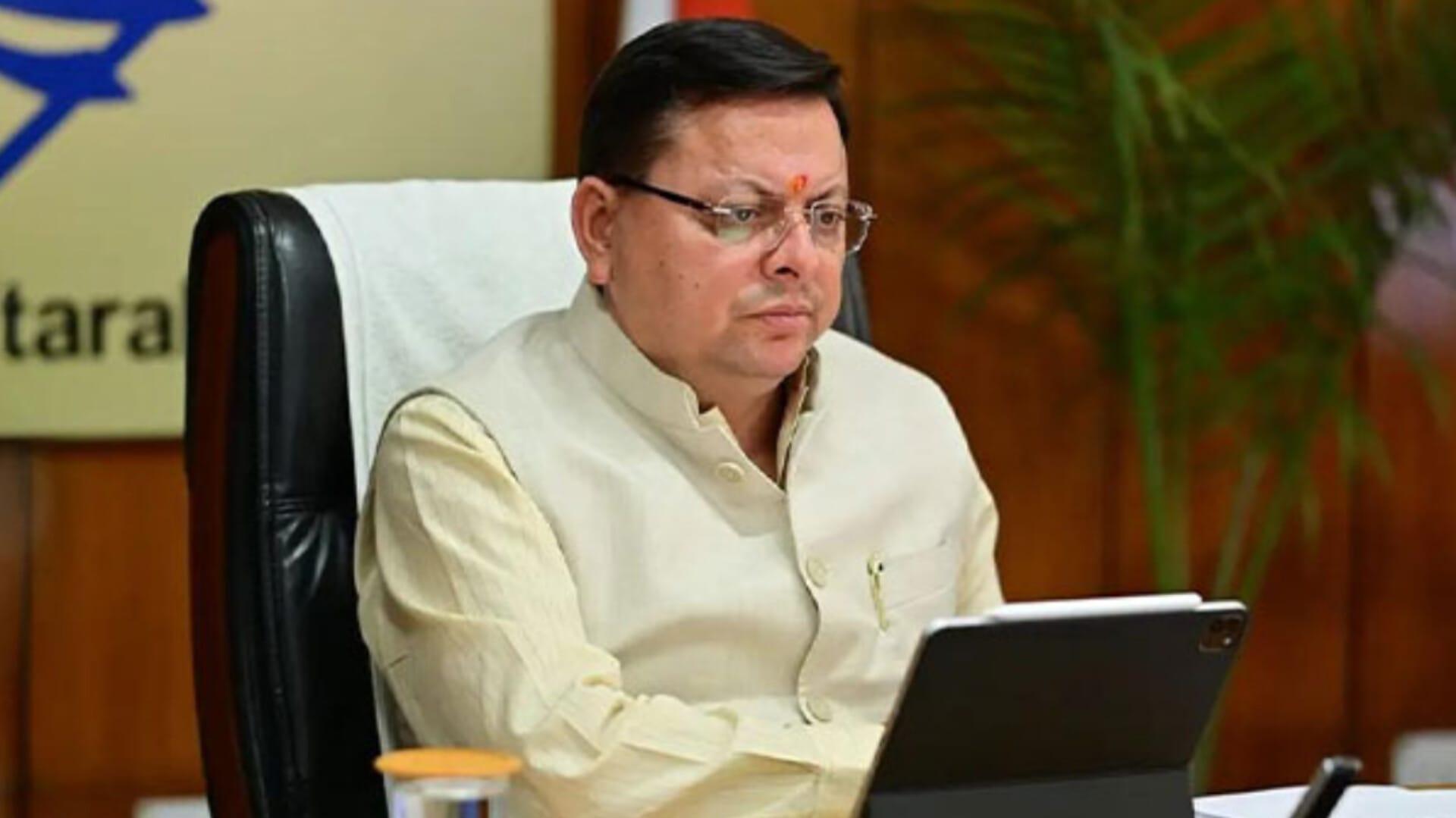
DEHRADUN: The Uttarakhand Cabinet, chaired by Chief Minister Pushkar Singh Dhami, cleared 19 significant proposals on Wednesday aimed at urban development, infrastructure reform, and youth welfare. The decisions range from incentivizing sustainable construction to easing regulations for commercial properties and providing coaching support for competitive exams.
Among the key infrastructure updates, the cabinet approved a hike in compensation for land used for electricity lines and transmission towers. Landowners will now receive payment based on 200 percent of the circle rate for the area falling within a one-meter radius of the tower base. Additionally, a new committee will be formed to review the disparities between official circle rates and actual market values of land.
Urban Planning and Construction Reforms
The Housing Department’s Green Building Incentive Policy received the green light. Under this new framework, developers constructing eco-friendly buildings will receive additional Floor Area Ratio (FAR) benefits. Platinum-grade buildings will get an extra 5 percent FAR, Gold-grade structures will receive 3 percent, and Silver-grade buildings will be eligible for 2 percent.
Significant changes were also made to building bylaws. The cabinet decided that the height of road-level parking in multi-story buildings will no longer be counted towards the total building height. Furthermore, the ground coverage norms in commercial areas have been relaxed, with new regulations based on back-setting now applicable. The ‘Motel’ category has been officially removed from the regulations.
For road construction, minimum width standards have been mandated: 6 meters for hilly regions and 9 meters for plain areas. In a move to boost tourism infrastructure, eco-resorts can now operate as general resorts without requiring a formal change in land use.
Decriminalization of Minor Offenses
The government moved to decriminalize certain minor offenses, replacing jail terms with monetary fines. For instance, the use of banned pesticides in agriculture will now attract a fine of up to ₹5 lakh instead of imprisonment. This aligns with broader efforts to simplify legal compliance for citizens and farmers.
Focus on Youth and Education
The cabinet approved the ‘Yuva Bhavishya Nirman Yojana’ to support students preparing for competitive exams. Aspirants targeting UPSC, NET, GATE, and other national-level tests will be provided with online coaching, live classes, and doubt-clearing sessions.
In higher education, the recruitment process for faculty in technical universities has been decentralized. The Public Service Commission (PSC) will no longer conduct these hirings; instead, the universities will manage recruitment at their own level.
Infrastructure and Transport Updates
The operation of the Naini Saini Airport has been handed over to the Airports Authority of India (AAI). In another infrastructure boost, the Rispana-Bindal elevated road project in Dehradun has been granted GST exemption, with the government agreeing to reimburse royalty and GST amounts.
To encourage the phasing out of older automobiles, tax exemptions will be offered to buyers purchasing new vehicles after scrapping their 15-year-old vehicles. Meanwhile, the GST and VAT amendment ordinance was approved to further simplify tax administration in the state.
Administrative and Departmental Changes
Several departmental rules were tweaked for efficiency. In the Public Works Department (PWD), the promotion quota for Junior Engineers (JE) has been revised. The 5 percent promotion cap has been removed, allowing staff with 10 years of service to directly become JEs.
The subsidy structure under the ‘Ghasiyari Kalyan and Silage Scheme’ in the dairy and cooperative department was revised, reducing the subsidy from 75 percent to 60 percent. Additionally, the Aromatic Plant Research Center has been renamed the Institute of Perfume.
Finally, the cabinet approved the Land Pooling/Town Planning policy as a formal scheme. Under this, landowners surrendering their land for development will receive a share in the developed area in return.