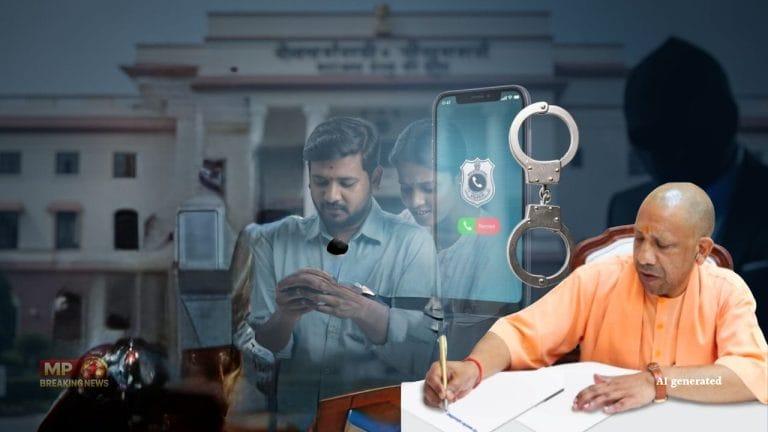
LUCKNOW: In what officials are describing as the country’s largest crackdown on the illegal diversion of pharmaceutical drugs, the Uttar Pradesh government has launched a massive offensive against the black market trade of codeine-based cough syrups. Following a two-month statewide operation, authorities have registered FIRs against 133 firms across 31 districts.
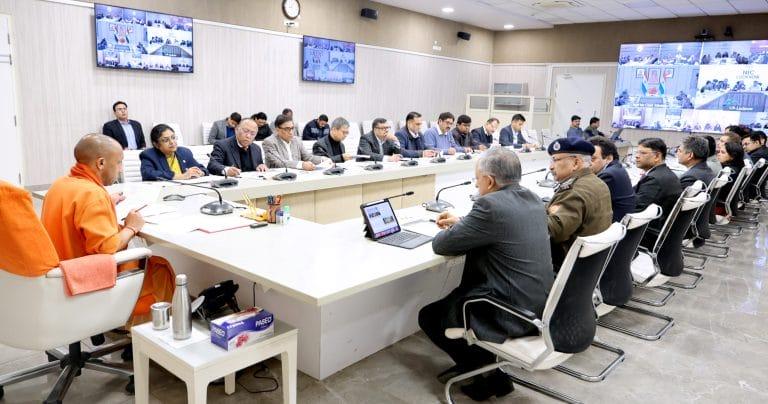
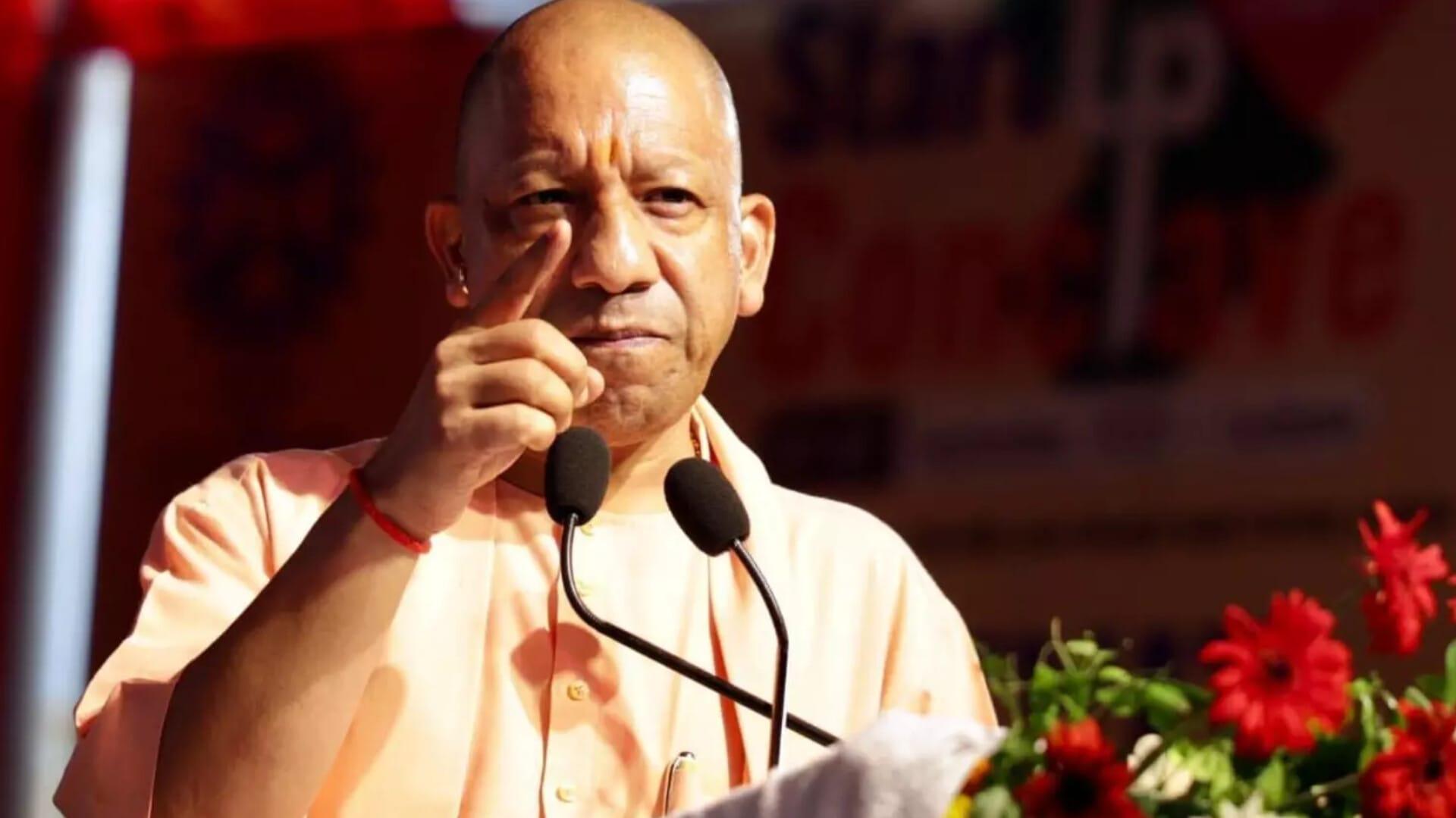
The action comes under the direct supervision of Chief Minister Yogi Adityanath, who has mandated a zero-tolerance policy towards narcotics trafficking. For the first time in the state’s history, the Food Safety and Drug Administration (FSDA) has moved beyond administrative penalties like license cancellations. Instead, cases are now being registered under the stringent Narcotic Drugs and Psychotropic Substances (NDPS) Act and the Bharatiya Nyaya Sanhita (BNS).
Multi-state investigation network
The crackdown was preceded by months of meticulous intelligence gathering. Before initiating raids, the FSDA conducted extensive internal probes and investigations in neighboring states including Jharkhand, Haryana, and Himachal Pradesh. This groundwork helped officials establish concrete evidence linking local businesses with super stockists and wholesalers in Uttar Pradesh.
Over the last 60 days, enforcement teams raided 332 drug establishments across 52 districts. The scrutiny revealed that many of these firms existed solely on paper, functioning merely as billing centers without proper storage facilities or legitimate purchase-sale records.
Smuggling routes to Nepal and Bangladesh
Investigations uncovered a systematic diversion network. Of the 332 establishments inspected, 133 were found to be diverting medicines for non-medical, illicit use. Intelligence reports indicate these drugs were being smuggled into Nepal via Lucknow, Kanpur, Lakhimpur Kheri, and Bahraich.
Additionally, smuggling routes into Bangladesh were identified through Varanasi and Ghaziabad. Authorities noted that the diverted syrups were specifically targeted for drug abuse rather than medical treatment.
Strict legal action initiated
FSDA Secretary and Commissioner Dr. Roshan Jacob emphasized the unprecedented nature of the legal response.
“The Chief Minister had issued orders to act firmly against those pushing the youth toward addiction. Following these directives, a statewide, intensive campaign was launched against criminals involved in diverting codeine-based cough syrup for drug abuse,” Dr. Jacob stated.
She further noted that the administration is recommending proceedings under the Gangster Act to District Magistrates, aiming to dismantle the entire financial network of the traffickers. “For the first time, the FSDA registered cases under the NDPS and BNS Acts against those illegally diverting codeine-based cough syrup, significantly strengthening the action,” she added.
Focus on big players
The Chief Minister had specifically instructed officials to target the root of the supply chain—super-stockists and wholesalers—rather than harassing small retailers. The operation aimed to set a national benchmark, contrasting with what officials termed as “superficial” actions taken in other states regarding similar violations.
Districts reporting major violations:
Cases of smuggling and illegal diversion were reported in major hubs including Varanasi, Lucknow, Kanpur Nagar, Prayagraj, and Ghaziabad, alongside smaller districts like Bahraich, Lakhimpur Kheri, and Azamgarh.
The Anti-Narcotics Task Force (ANTF), established in 2022, continues to work in tandem with the FSDA to ensure the state’s borders are not used as transit points for international drug trafficking.