
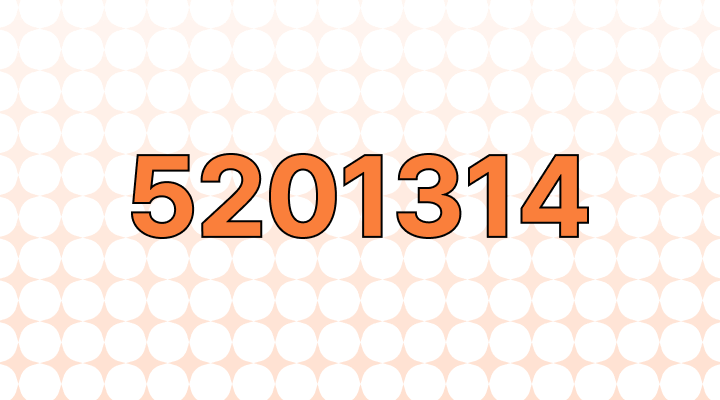
In the digital age, expressions of affection are constantly evolving. While traditional phrases remain popular, internet slang often introduces quirky, coded ways to convey feelings. One such term, ‘5201314’, captured significant attention in 2025, becoming one of the most searched-for meanings on Google.
According to Google’s annual ‘Year in Search’ report, which highlights trending topics and global interests, this seven-digit number featured prominently in the list of top queries. It was ranked alongside other major search terms such as ‘Stampede’ and ‘Mayday’, reflecting a unique blend of curiosity regarding both serious news events and pop culture phenomena.
Decoding the numbers
For those unfamiliar with internet subcultures, the string of numbers might seem random. However, ‘5201314’ is a well-established Chinese internet slang term. In Mandarin, the pronunciation of the numbers sounds phonetically similar to a specific phrase.
The code translates to “I love you for a lifetime.” This romantic declaration has transcended its linguistic origins to become a cross-cultural trend on social media platforms. Its popularity in search engines suggests that many users outside of China were encountering the term and seeking to understand its hidden meaning.
Search trends reflect shifting interests
Google’s year-end summary provides a fascinating glimpse into collective curiosity. In a year where heavy topics like ‘ceasefire’ and ‘mock drill’ dominated headlines due to geopolitical tensions, the presence of a romantic numeric code at the number 5 spot offers a lighter contrast. It indicates that alongside national and international news, users remain deeply engaged with relationship trends and social media language.
The phenomenon highlights how information overload drives people to constantly look up new terms. As digital communication becomes more abbreviated and coded, users increasingly rely on search engines to decode the latest slang emerging from different corners of the global internet.